

Bank
Bank has 95 English words, such as Back-office, Balance of trade, Cash machine, and Central bank. Learn them with pictures, IPA, meanings and example sentences.
What you'll gain
All 95 words in Bank

Back-office/bæk ˈɒfɪs/n
The part of a company that handles administration, IT, and support tasks rather than dealing directly with customers.
The Back-office is responsible for all administrative and IT support tasks in our company.
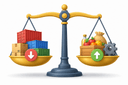
Balance of trade/ˈbælɪns əv treɪd/n. phr
The difference in value between a country's imports and exports over a period of time.
The country's balance of trade improved significantly after the new export policies were introduced.

Cash machine/kæʃ məˈʃiːn/n. phr
A machine, usually in a wall outside a bank, from which you can take out money using a plastic card.
I need to find a cash machine to get some money for the taxi.

Central bank/ˈsɛntrəl bæŋk/n. phr
A government-backed institution that manages a country's currency, money supply, and interest rates.
The Central bank raised interest rates to control inflation.

Co-ordinate/koʊˈɔrdəˌneɪt/v
To organize different groups, people, or activities so that they work together efficiently.
We need to Co-ordinate our efforts to finish the project on time.

Commercial bank/kəˈmɜrʃəl bæŋk/n. phr
A financial institution that accepts deposits from the public and gives loans to individuals and businesses.
He decided to open a savings account at a local commercial bank.

Cost of borrowing/kɒst əv ˈbɒroʊɪŋ/n. phr
The total amount of money, including interest and fees, that a person or organization must pay to borrow money.
The Cost of borrowing has risen significantly over the past year, making it harder for small businesses to expand.
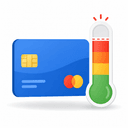
Credit limit/ˈkrɛdɪt ˈlɪmɪt/n. phr
The maximum amount of money that a bank or credit card company will allow a customer to borrow or spend.
I cannot buy this expensive laptop because it exceeds my Credit limit.
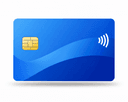
Debit card/ˈdɛbɪt kɑrd/n. phr
A plastic card issued by a bank that allows you to pay for purchases or withdraw cash by deducting money directly from your bank account.
I used my Debit card to pay for the groceries at the supermarket.
Foreign currency/ˈfɒrən ˈkʌrənsi/phr
Money from another country that is used for trade or travel.

Insurance policy/ɪnˈʃʊrəns ˈpɒlɪsi/n. phr
An official agreement between a person and an insurance company that explains what damages or losses are covered.
You should read the insurance policy carefully before signing it.

Insurance provider/ɪnˈʃʊrəns prəˈvaɪdər/n. phr
A company that sells insurance policies to protect individuals or organizations against financial loss.
You should contact your Insurance provider to see if this medical treatment is covered.

Investment bank/ɪnˈvɛstmənt bæŋk/n. phr
A financial institution that helps companies and governments raise capital and provides advisory services for mergers and acquisitions.
An Investment bank helped the company raise millions of dollars during its initial public offering.

Long-term gain/ˈlɒŋˌtɜrm ɡeɪn/n. phr
A profit, benefit, or advantage that is built up or realized over a long period of time rather than immediately.
Long-term gain is the primary focus of our investment strategy.

Online account/ˈɒnˌlaɪn əˈkaʊnt/n. phr
A personal profile created on a website or application that allows a user to access specific services and secure information.
Online account registration is quick and secure.

Rental contract/ˈrɛntəl ˈkɒntrækt/n. phr
A legal agreement between a landlord and a tenant that outlines the rules and conditions for renting a property.
We signed the rental contract before moving into the apartment.

Retail banking/ˈriːteɪl ˈbæŋkɪŋ/n. phr
Banking services provided to individual customers rather than corporations or other banks.
Retail banking allows everyday customers to open savings accounts, get personal loans, and manage their money.

Short-term cost/ˈʃɔrtˌtɜrm kɒst/n. phr
An expense or negative consequence that occurs immediately or over a brief period of time as a result of a decision or action.
Short-term cost can be a major barrier for small businesses trying to adopt new technologies.

Staff movements/stæf ˈmuːvmənts/n. phr
Changes in the positioning, roles, or employment status of employees within an organization, such as transfers, promotions, or departures.
Staff movements within the company are announced at the end of each month.

Stock exchange/stɒk ɪksˈʧeɪndʒ/n. phr
A highly organized market where brokers and traders can buy and sell securities, such as shares of stock and bonds.
The company decided to list its shares on the local Stock exchange.

Stock market/stɒk ˈmɑrkɪt/n. phr
A system where shares of publicly held companies are bought and sold.
Investing in the Stock market can be a great way to grow your wealth over time.

abroad/əˈbrɔd/
adv. overseas, in another country

accountant/əˈkaʊntənt/
A person whose job is to keep or inspect financial accounts.
additional service
A service provided in addition to the main service, often for an extra fee.
The hotel offers an additional service: airport transportation for a small fee.
amortization
the gradual repayment of a loan through scheduled payments that cover both interest and principal
The mortgage amortization schedule shows how much principal we will repay each month.

appointment/əˈpɔɪntmənt/
n. meeting, arrangement, assignment, designation

asset/ˈæset/n
n. resource, advantage
asset finance
Asset finance is funding, often through a loan or lease, that helps a business buy or use assets such as vehicles, machinery, or equipment.
The company used asset finance to acquire delivery vans without paying the full cost upfront.

assistant/əˈsɪstənt/
n. helper, aide; adj. supporting, aiding
automated teller
A machine that lets people withdraw cash and perform other basic banking transactions without a bank employee.
I used the automated teller to withdraw cash before the bank closed.
board chairman
The person who leads and presides over a company's or organization's board of directors.
The board chairman listened to every director's view before approving the new strategy.

borrow/ˈbɔːroʊ/
v. take temporarily, use something of another

bribery/ˈbraɪbəri/
The giving or offering of a bribe, which is money or a favor given to influence an official's conduct.

campaign/kæmˈpeɪn/
n. campaign, operation; v. campaign, promote

career/kəˈrɪr/
n. profession, occupation; v. rush, speed

challenge/ˈtʃæləndʒ/
n. contest, competition, difficulty, obstacle; v. invite, propose, question, dispute

charge/tʃɑːrdʒ/
n. fee, cost, accusation, allegation; v. bill, invoice, accuse, indict
charge card
A charge card is a payment card whose balance must be paid in full at the end of each billing cycle.
She uses a charge card for business expenses and pays the balance in full each month.

check/tʃek/v
v. examine, verify; n. bank order, payment order; n. tick mark, verification mark
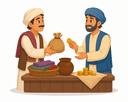
commerce/ˈkɑːmɜːrs/
n. trade, business

commit/kəˈmɪt/
v. to perpetrate, to execute, to pledge, to bind

communicate/kəˈmjuːnɪkeɪt/
v. share information, exchange ideas, convey a message, express meaning

compensation/ˌkɒmpənˈseɪʃən/
n. reparation, remuneration, payment, recompense
consumer banking
Consumer banking is the part of banking that provides financial products and services to individual customers.
She uses consumer banking services to manage her checking account, savings, and credit card.
corporate credit card
A credit card issued by a company for employees to pay approved business expenses.
Maya used the corporate credit card to pay for the team's hotel rooms.

corrupt/kəˈrʌpt/
adj. dishonest, depraved; v. debase, pervert, spoil, taint
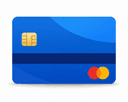
credit card/ˈkɹɛdɪt ˌkɑɹd/
A small plastic card issued by a bank allowing the holder to purchase goods or services on credit.
debit balance
An amount shown on the debit side of an account, indicating that debits exceed credits.
After recording the purchase, the expense account showed a debit balance of $500.

deposit/dɪˈpɑːzɪt/n
n. bank deposit, money deposit, mineral deposit, resource deposit; v. to place, to set down, to bank, to invest

director/dəˈrektər/
n. manager, administrator, filmmaker, producer

discount/ˈdɪskaʊnt/
n. price reduction, markdown; v. deduct, reduce

dismiss/dɪsˈmɪs/
v. send away, allow to leave, reject, refuse

distribution/ˌdɪstrɪˈbjuːʃən/
n. allocation, dispersion, arrangement, spread

equality/iˈkwɑːləti/
n. equivalence, parity

expense/ɪkˈspens/
n. cost, outlay, expenditure, payment

finance/ˈfaɪnæns/
n. money management, financial management, market study, economic study; v. fund, support financially, raise funds, secure financing

fortune/ˈfɔːrtʃən/
n. wealth, riches, luck, fate

grant/ɡrænt/
v. give, allow, agree, accept; n. fund, subsidy, right, privilege

head/hed/
n. the part of the body above the neck, containing the brain, eyes, ears, nose, and mouth; n. the person in charge of a group.

in-house/ˈɪnhaʊs/adj
Done or existing within an organization or company rather than obtained from outside.

inherit/ɪnˈherɪt/
v. receive, acquire, receive, pass on

inheritance/ɪnˈherɪtəns/
n. legacy, bequest, genetic inheritance, heredity

insecurity/ˌɪnsɪˈkjʊrəti/
n. the feeling of not being confident about yourself; n. the state of not being safe or protected.

insurance/ɪnˈʃʊrəns/n
n. policy, coverage, protection, safeguarding

interest/ˈɪntɹɛst/n
n. the extra money a bank pays you for saving, or charges you for borrowing; n. the feeling of wanting to know more about something.

investment/ɪnˈvestmənt/n
n. investment, capital allocation, asset, property

investor/ɪnˈvestər/
n. capitalist, financier

invoice/ˈɪnvɔɪs/
n. bill, statement; v. bill, charge

lease/liːs/
n. rental agreement, tenancy agreement; v. rent out, let

lend/lend/
v. loan, provide

mortgage/ˈmɔːrɡɪdʒ/
n. mortgage agreement, home loan; v. to mortgage a property, to secure a loan

multinational/ˌmʌltiˈnæʃnəl/
adj. international, global; n. global company, international firm
operator manager
A person who supervises and coordinates operators, such as those working in a call center or control room.
The operator manager reviewed the team's schedule and performance.

opportunity/ˌɑːpərˈtuːnəti/
n. chance, prospect

outsource/ˈaʊtˌsoɹs/v
To pay another company to do some of your work instead of doing it within your own company.
pay in
To put money or a cheque into a bank account.
She went to the bank to pay in a cheque.

percent/pɚˈsɛnt/
n. percentage, fraction

period/ˈpɪriəd/n
n. duration, interval, full stop, punctuation mark, phase, stage

possession/pəˈzeʃn/
n. ownership, control, belonging, property

potential/pəˈtenʃl/
adj. capable, possible; n. capacity, ability

poverty/ˈpɑːvərti/
n. destitution, indigence, impoverishment, penury
prepaid card
a card that you load with money in advance and use for purchases until the balance runs out
I bought a prepaid card for my trip.

profit/ˈprɑːfɪt/n
n. gain, earnings; v. gain, earn
property
A thing or things owned by someone, especially land or buildings.
The house is private property, so please do not enter.

purchase/ˈpɜːrtʃəs/
n. buying, acquisition; v. buy, acquire

rent/rent/
n. lease payment, tenant payment; v. lease, hire

responsible/rɪˈspɑːnsəbl/
adj. accountable, liable, trustworthy, reliable

retire/rɪˈtaɪər/
v. to stop working, to withdraw from work; v. to withdraw, to leave
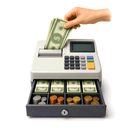
revenue/ˈrevənuː/n
n. income, earnings, government income, tax revenue
saving account
A saving account is a bank account used to keep money and earn interest.
I opened a saving account to put money aside for emergencies.

staff/stæf/
n. team, personnel, stick, rod; v. employ, hire

survey/ˈsɜːrveɪ/
n. overview, inspection; v. examine, inspect, poll, questionnaire
team leader
a person who guides and coordinates the work of a team
The team leader assigned tasks and helped everyone meet the deadline.

treasury/ˈtreʒəri/
The department of a government or organization that manages its money and revenue, or the fund of public money itself.

warehouse/ˈwerhaʊs/
n. storage facility, depot