
Daily Activities
Daily Activities has 49 English words, such as Brush your teeth, Comb the hair, Do exercise, and Do your homework. Learn them with pictures, IPA, meanings and example sentences.
What you'll gain
All 49 words in Daily Activities
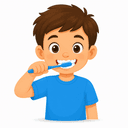
Brush your teeth/brʌʃ ti:θ/v. phr
To clean your teeth using a toothbrush and toothpaste.
Brush your teeth before you go to bed.
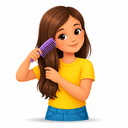
Comb the hair/koum ðə heə/v. phr
To untangle and style hair using a comb.
It is important to comb the hair gently to avoid tangles.
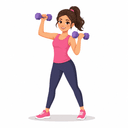
Do exercise/du: eksəsaiz/v. phr
To perform physical activity in order to stay healthy and strong.
It is important to do exercise every day to keep your body fit.
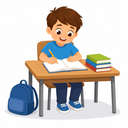
Do your homework/du ‘houmwə:k/v. phr
To complete the schoolwork that a teacher has given you to do at home.
Do your homework before you go out to play.
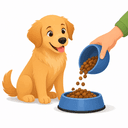
Feed the dog/f:d ðə dɔg/v. phr
To give food to a pet dog so that it can eat.
Feed the dog before we leave for the party.

Finish working/’fniʃ ˈwəːkɪŋ/v. phr
To stop doing one's job or tasks, especially at the end of the workday.
Finish working by 5 PM so we can go to the gym together.
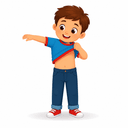
Get dressed/ɡɛt drɛst/v. phr
To put on your clothes.
Get dressed quickly so we don't miss the bus.
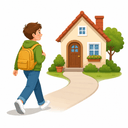
Go home/gou houm/v. phr
To return to the place where you live.
Go home if you feel tired.
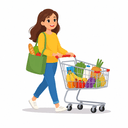
Go shopping/gouˈʃɒp.ɪŋ/v. phr
To visit stores or shops in order to buy things like food or clothes.
We usually go shopping for groceries on Saturday mornings.
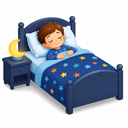
Go to bed/gou tə bed/v. phr
To lie down in a bed to sleep for the night.
Go to bed early if you are feeling tired.
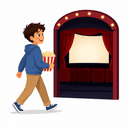
Go to the movies/gou tə ðəˈmuː.vi/v. phr
To go to a cinema to watch a film.
We decided to go to the movies on Friday night to see the new blockbuster.
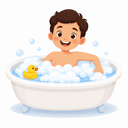
Have a bath/hæv ə ‘bɑ:θ/v. phr
To wash your body by sitting or lying in a bathtub filled with water.
After a long day of work, I like to have a bath to relax.
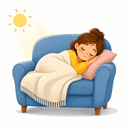
Have a nap/ˌhæv.ə næp/v. phr
To take a short sleep, especially during the day, to rest and recover energy.
I usually have a nap after lunch to get some energy back.
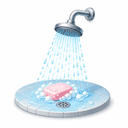
Have a shower/hæv ə ˈʃaʊər/v. phr
To wash your body by standing under a spray of water from a shower.
Have a shower before we go out to dinner.
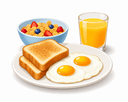
Have breakfast/ˌhævˈbrek.fəst/v. phr
To eat the first meal of the day, typically in the morning.
We usually have breakfast at eight o'clock in the morning.
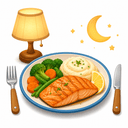
Have dinner/ˌhævˈdɪn.ər/v. phr
To eat the main meal of the day, usually in the evening.
We usually have dinner at seven o'clock in the evening.
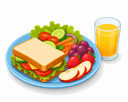
Have lunch/ˌhæv lʌntʃ/v. phr
To eat a meal in the middle of the day.
Have lunch with me at that new Italian restaurant.
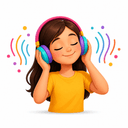
Listen to music/ˈlɪs.ən tuːˈmjuː.zɪk/v. phr
To pay attention to the sounds of songs or instrumental pieces for pleasure or entertainment.
I like to listen to music when I want to relax.
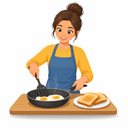
Make breakfast/meik ‘brekfəst/v. phr
To prepare and cook the first meal of the day.
Make breakfast for the family before they wake up.
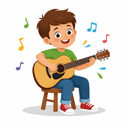
Play an instrument/pleɪ ænˈɪn.strə.mənt/v. phr
To make music using a musical instrument such as a piano, guitar, or violin.
She wants to learn how to play an instrument, so she chose the violin.
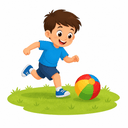
Play outside/pleɪ ˌaʊtˈsaɪd/v. phr
To engage in games, sports, or recreational activities in the open air rather than indoors.
When the weather is nice, the children love to play outside in the backyard.
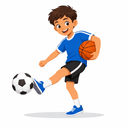
Play sports/pleɪ spɔːts/v. phr
To participate in athletic games or physical activities, typically involving rules and competition.
Many children like to play sports after school to stay active and healthy.
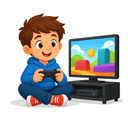
Play video games//pleɪ ˌɡeɪmz/ ˈvɪd.i.əʊ/v. phr
To play games on an electronic device like a computer, console, or phone.
Many teenagers like to play video games after school to relax.
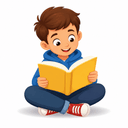
Read books/riːd bʊks/v. phr
To look at and understand written words in a book, typically as a hobby or to gain knowledge.
Read books in your free time to learn new things.
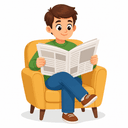
Read newspapers/ri:d’nju:z,peipəz/v. phr
To look at and understand the written words in daily or weekly publications that contain news, articles, and advertisements.
My grandfather likes to read newspapers every morning while drinking coffee.
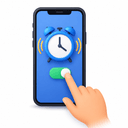
Set the alarm/set ðə ə’lɑ:m/v. phr
To program a clock or phone to make a sound at a specific time in order to wake up or be alerted.
Don't forget to set the alarm for 6:00 AM tomorrow.

Surf the internet/sɜːf ðiː ˈɪn.tə.net/v. phr
To spend time looking at different websites on the internet.
Surf the internet to find the best recipes for dinner.
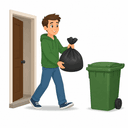
Take out the rubbish/teik ðə ‘rʌbiʃ aut/v. phr
To carry waste or garbage from inside a house or building to an outdoor bin or container.
Take out the rubbish before you go to bed.
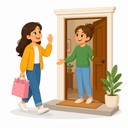
Visit your friend/ˈvɪz.ɪt jɔːr frend/v. phr
To go to the place where a person you know and like lives or is staying, in order to spend time with them.
If you have some free time this weekend, you should go and visit your friend.
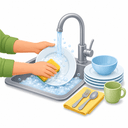
Wash the dishes/wɔʃ ðə dɪʃ/v. phr
To clean plates, bowls, cups, and cutlery after a meal.
Wash the dishes right after you finish eating dinner.
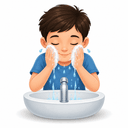
Wash your face/wɒʃ jɔːr feɪs/v. phr
To clean your face using water and soap or a facial cleanser.
Wash your face before you go to bed to keep your skin clean.
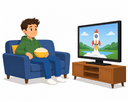
Watch television/wɔtʃ ‘teli,viʤn/v. phr
To look at a television screen and listen to the programs being broadcast.
After dinner, the family likes to watch television together.
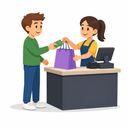
buy/baɪ/
v. purchase, acquire
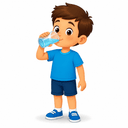
drink/drɪŋk/
v. consume, imbibe; n. beverage, refreshment
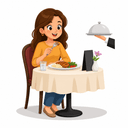
eat out/iːt aʊt/v. phr
to have a meal at a restaurant instead of cooking at home
We were too tired to cook last night, so we decided to eat out.
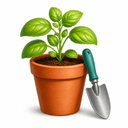
gardening/ˈɡɑːrdnɪŋ/
The activity of growing and taking care of plants, flowers, and vegetables in a garden.
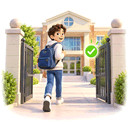
get to school
To arrive at school.
I usually get to school by eight o'clock.
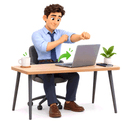
get to work
To begin working, especially after a break or delay.
After a short coffee break, we need to get to work.
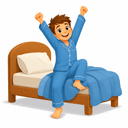
get up/ɡɛt ʌp/
To get out of bed after sleeping, or to stand up after sitting or lying down.
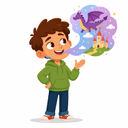
make up/ˌmeɪk ˈʌp/
v. to put cosmetics on the face; v. to invent a story; v. to become friends again after an argument.
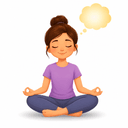
meditation/,medi’teiʃn/
n. the practice of sitting quietly and focusing the mind, to relax and become calm.
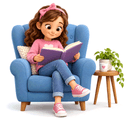
read a book
To look at and understand the written words in a book.
I like to read a book before bed.
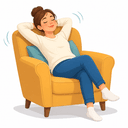
relax/rɪˈlæks/
v. ease, loosen, unwind, repose
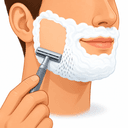
shave/ʃeɪv/
v. remove hair, cut hair; n. shaving, hair removal
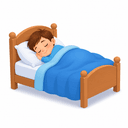
sleep/sliːp/
v. to rest, to slumber; n. rest, slumber
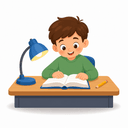
study/ˈstʌdi/
v. learn, research; n. learning, research
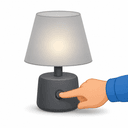
turn off/tɜːrn ɒf/
To stop the flow of electricity, gas, water, or to cause someone to lose interest.
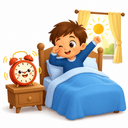
wake-up/weɪk ʌp/
v. (wake up) to stop sleeping, or to make someone stop sleeping; n. (wake-up call) a phone call or an event that wakes you or warns you of a problem.
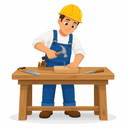
work/wɜːrk/
v. to labor, to toil, to run, to operate; n. employment, job, creation, output