
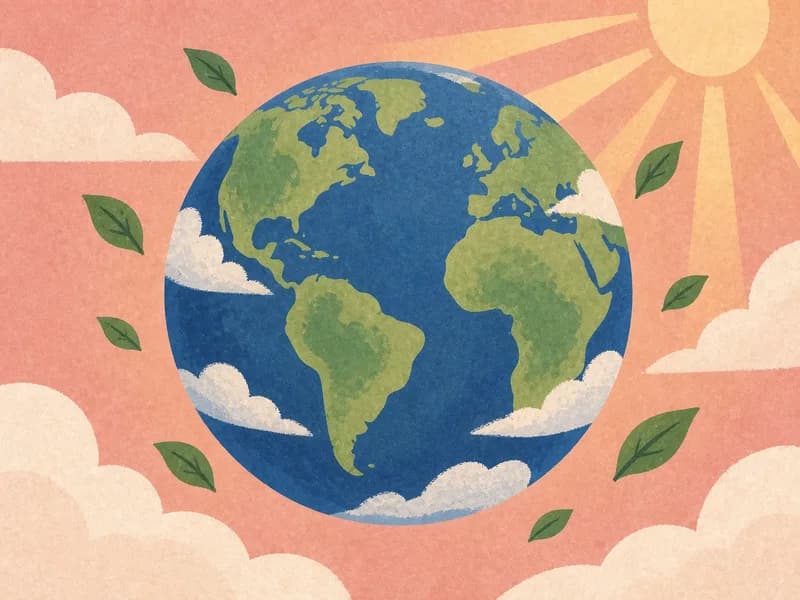
Earth
Earth has 33 English words, such as Industrial waste, Ozone layer, air, and archipelago. Learn them with pictures, IPA, meanings and example sentences.
What you'll gain
All 33 words in Earth
Industrial waste/ɪnˈdʌstriəl weɪst/n
Unwanted materials produced by factories and industrial processes.
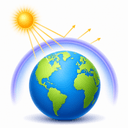
Ozone layer/ˈəʊ.zəʊn ˌleɪ.ər/n. phr
A layer of gas high above the Earth's surface that protects the planet from the sun's harmful ultraviolet radiation.
The Ozone layer protects the Earth from harmful ultraviolet radiation.

air/er/
n. atmosphere, gas; v. ventilate, expose; n. aura, vibe
archipelago/ˌɑɹkəˈpɛləˌɡoʊ/
n. island group, island chain
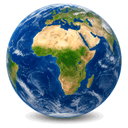
continent
One of Earth's large continuous land areas, such as Asia or Africa.
Asia is the largest continent on Earth.
deforestation/ˌdiːˌfɔːrɪˈsteɪʃn/n
Deforestation is the action or process of clearing large areas of trees.
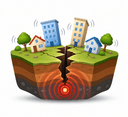
earthquake/ˈɜːrθˌkweɪk/
n. a sudden violent shaking of the ground caused by movement of rock deep under the earth's surface.
equator/ɪˈkweɪtɚ/
The equator is an imaginary line that circles the middle of the Earth.
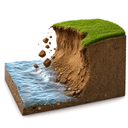
erosion/ɪˈɹoʊʒən/
n. wearing away, deterioration; n. diminishment, reduction
greenhouse effect/ˈɡriːn.haʊsɪˈfekt/n phrase
The warming of Earth's surface caused by gases trapping heat in the atmosphere.
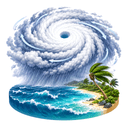
hurricanenoun
n. a violent tropical storm with winds of more than 119 km/h, bringing heavy rain and causing serious damage.
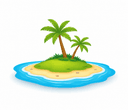
island/ˈaɪlənd/n
n. a piece of land that is completely surrounded by water.
meridian/məˈɹɪdiən/
A meridian is a circle of constant longitude passing through a given place on the Earth's surface and the terrestrial poles.
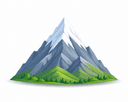
mountain/ˈmaʊntən/
n. a very high area of land with steep sides, much higher than a hill.
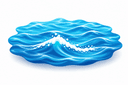
ocean/ˈoʊʃn/
n. one of the five very large areas of salt water that cover most of the earth's surface.

organism/ˈɔːrɡənɪzəm/n
n. any living thing, such as an animal, a plant, or a bacterium.
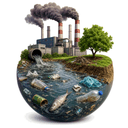
pollution/pəˈluːʃn/n
n. contamination, environmental harm
preservation/ˌprezəˈveɪʃn/n
Preservation is the act of keeping something safe from harm, damage, or decay.

protect/pɹəˈtɛkt/v
v. safeguard, shield; v. guard, preserve
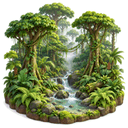
rainforest/ˈreɪnfɔːrɪst/
A forest in a tropical area that receives a lot of rain.
recycle/ɹɪsˈaɪkəl/v
To process used materials so they can be used again to make new things.
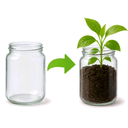
reuse/ɹiːˈjuːs/v
v. recycle, repurpose
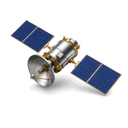
satellite/ˈsætəlaɪt/n
n. moon, orbiter, spacecraft, orbital vehicle
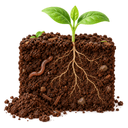
soil/sɔɪl/n
The top layer of the earth in which plants grow.
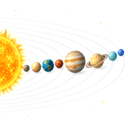
solar systemnoun
a group of planets and the star that they orbit
the exosphere
The exosphere is the outermost layer of Earth's atmosphere, where the air is extremely thin and gradually merges with outer space.
Some satellites orbit within the exosphere.
the mesosphere
The mesosphere is the layer of Earth's atmosphere above the stratosphere and below the thermosphere, where many meteors burn up.
Many meteors burn up as they enter the mesosphere.
the stratosphere
the layer of Earth's atmosphere above the troposphere and below the mesosphere
The ozone layer is found in the stratosphere.
the thermosphere
The layer of Earth's atmosphere above the mesosphere, where temperatures increase greatly with altitude.
Satellites can travel through the thermosphere, even though the air there is extremely thin.
the troposphere
The troposphere is the lowest layer of Earth's atmosphere, where people live and most weather occurs.
Most clouds and weather form in the troposphere.

trajectory/tɹəˈd͡ʒɛktəɹi/
n. the curved path that an object follows through the air or through space after it has been thrown or launched.

vacuum/ˈvækjuːm/
n. a vacuum cleaner, a machine that sucks up dust and dirt; n. a space with no air in it; v. to clean a floor with a vacuum cleaner.
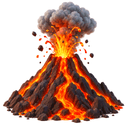
volcanic eruption
an event in which lava, ash, and gases burst out of a volcano
The volcanic eruption covered nearby villages with ash and forced people to leave.