

Education
Education has 54 English words, such as High school, Higher education, Intensive course, and Nursery school. Learn them with pictures, IPA, meanings and example sentences.
What you'll gain
All 54 words in Education

High school/haɪ skuːl/n. phr
A school for students between the ages of 14 and 18, typically preparing them for college or future careers.
High school was a wonderful experience for him because he made many lifelong friends.

Higher education/ˈhaɪ.ər ˌɛdʒ.əˈkeɪ.ʃən/n. phr
Education at a college or university level, typically occurring after high school.
Higher education can open up many career opportunities for young people.

Intensive course/ɪnˈtɛnsɪv kɔrs/n. phr
A course that teaches a lot of information or training in a very short period of time.
The intensive course in Spanish helped her prepare for her trip to South America.

Nursery school/ˈnɜː.sər.i skuːl/n. phr
A school for young children, typically between the ages of three and five, before they start primary school.
Nursery school is a wonderful place where young children learn to play and share with others.

Primary school/ˈpraɪ.mə.ri skuːl/n. phr
A school for children between the ages of about five and eleven.
Children start Primary school at the age of five.

Private school/ˈpraɪ.vɪt skuːl/n. phr
A school that is funded by tuition fees and private contributions rather than by the government.
Many parents choose to send their children to a private school for smaller class sizes.

Public school/ˈpʌb.lɪk skuːl/n. phr
A school that is free and funded by the government for all children in an area.
Public school education is free for all children in this region.

Secondary school/ˈsɛk.ən.dər.i skuːl/n. phr
A school for students between the ages of 11 and 18, which they attend after completing primary education.
Secondary school is compulsory for students up to the age of sixteen.

Student union/ˈstjuː.dənt ˈjuː.njən/n. phr
An organization of students at a college or university that organizes social events and represents students' interests, or the building where these activities take place.
The Student union organized a welcome party for the new university students.

Tuition fee/tuˈɪʃ.ən fiː/n. phr
The money that you pay to be taught, especially in a college or university.
Tuition fee amounts have increased significantly this year.
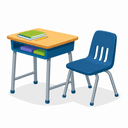
absence/ˈæbsəns/
n. nonattendance, lack, deficiency, shortage

answer/ˈænsər/
v. respond, reply; n. response, reply

attendance/əˈtendəns/
n. presence, participation

boarding school/ˈboɹdɪŋ ˌskul/
A school where students live as well as study during the school term.
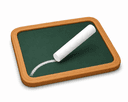
chalk/tʃɔːk/
n. a soft white or coloured stick used for writing on a blackboard; v. to write or draw with chalk.
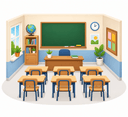
classroom/ˈklæsruːm/
n. a room in a school where a class of pupils is taught.

college/ˈkɑːlɪdʒ/
n. a place where students go to study after leaving school, often for a practical or professional course.

course/kɔːrs/
n. class, program, path, route; v. navigate, proceed

debate/dɪˈbeɪt/
n. discussion, argument; v. discuss, argue

degree/dɪˈɡriː/
n. unit of measurement, angle measurement, academic title, university qualification

dormitory/ˈdɔːrmətɔːri/
A large building, especially at a college or university, where many students live and sleep.

exam/ɪɡˈzæm/n
n. test, assessment
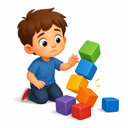
fail/feɪl/
v. to not succeed, to be unsuccessful, to omit, to not perform; n. a failure, an unsuccessful attempt

grade/ɡreɪd/
n. level, rank, score, mark; v. score, mark, arrange, classify

graduate/ˈɡrædʒuət/
v. to complete studies, to finish education; n. degree holder, diploma recipient

hall/hɔːl/
n. large room, gathering space, corridor, passageway

holiday/ˈhɑːlədeɪ/
n. day off, celebration, vacation, trip

homework/ˈhoʊmwɜːrk/
n. assignment, study work

lecture/ˈlektʃər/
n. talk, presentation; v. speak, address

lecturer/ˈlektʃərər/
A person who gives lectures, especially at a university or college.

lesson/ˈlesn/
n. class, instruction, moral, teaching

library/ˈlaɪbreri/
n. a room or building where books are kept for people to read or borrow.

mark/mɑːrk/
n. a number or letter given to a piece of schoolwork to show how good it is; n. a spot or line on a surface; v. to correct and grade schoolwork.

mistake/mɪˈsteɪkɪŋ/
n. error, blunder; v. err, miscalculate
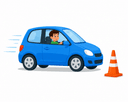
pass/pæs/
n. in football and volleyball, a move in which a player sends the ball to a teammate; v. to succeed in a test or an exam; v. to go by.

professor/prəˈfesər/
n. teacher, academic, expert, scholar
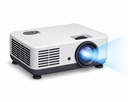
projector/prəˈdʒektər/
A device that shines light to project images or videos onto a large screen or wall.

pupil/ˈpjuːpl/
A person, especially a child, who is being taught in a school, or the circular black area in the center of the eye that lets in light.

qualification/ˌkwɑːlɪfɪˈkeɪʃn/
An official record, document, or skill showing that you have completed a course or have the necessary ability to do something.

question/ˈkwestʃən/
n. inquiry, interrogation; v. inquire, interrogate
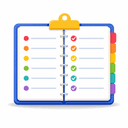
register/ˈredʒɪstər/
n. list, record; v. enroll, sign up

researcher/ˈriːsɜːrtʃər/
n. investigator, scholar

right/raɪt/
adj., adv., n. on or towards the side of your body that is to the east when you face north, the opposite of left; adj. correct or true; n. something you are allowed to have or do.

school/skuːl/
n. a place where children go to be taught.

semester/sɪˈmestər/
One of the two periods that the school or college year is divided into.

student/ˈstuːdnt/
n. pupil, learner

study/ˈstʌdi/
v. learn, research; n. learning, research

subject/ˈsʌbdʒɪkt/
n. topic, matter, field, discipline; v. dominate, control; adj. conditional, dependent

teacher/ˈtiːtʃər/
n. instructor, educator

test/test/
n. exam, assessment; v. evaluate, assess

textbook/ˈtekstbʊk/
n. a book used for teaching or studying a particular subject

thesis/ˈθiːsɪs/
n. proposition, argument, dissertation, research paper

university/ˌjuːnɪˈvɜːrsəti/
n. a place where students study for a degree after leaving school, and where research is done.
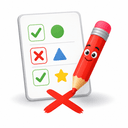
wrong/rɔːŋ/
adj. incorrect, false, immoral, unjust; n. injustice, offense; adv. incorrectly, falsely; v. mistake, err