

Health
Health has 50 English words, such as Bad breath, Black eye, Chicken pox, and Constipation. Learn them with pictures, IPA, meanings and example sentences.
What you'll gain
All 50 words in Health
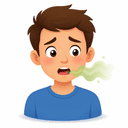
Bad breath/bæd breθ/n. phr
An unpleasant smell from a person's mouth when they breathe or speak.
Eating raw garlic can cause bad breath.

Black eye/blæk aɪ/n. phr
An area of bruised, dark skin around the eye, usually caused by being hit.
He had a painful black eye after colliding with another player during the soccer match.

Chicken pox/ˈtʃɪkɪn pɑːks/n. phr
An infectious disease, especially common in children, that causes fever and itchy red spots on the skin.
Many children catch Chicken pox when they start elementary school.

Constipation/ˌkɑːnstɪˈpeɪʃn/n
A condition in which it is difficult to empty the bowels, often because the stool is too hard.
Constipation can often be prevented by drinking plenty of water and eating fiber-rich foods.

Eating disorder/ˈiːtɪŋ dɪsˈɔːrdər/n. phr
A mental health condition characterized by severely disturbed eating habits and related thoughts and emotions.
An eating disorder can have severe consequences on a person's physical and mental health.
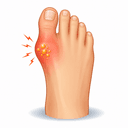
Gout/ɡaʊt/n
A painful form of arthritis caused by a buildup of uric acid in the joints, typically affecting the big toe.
Gout can cause intense joint pain, especially in the big toe.
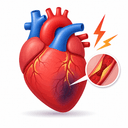
Heart attack/hɑːrt əˈtæk/n. phr
A sudden and serious medical emergency that happens when the flow of blood to the heart is cut off, causing damage to the muscle.
Heart attack survivors are often advised to change their diet and exercise regularly.
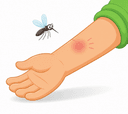
Insect bite/ˈɪn.sekt baɪt/n. phr
A painful or itchy mark on the skin caused by an insect biting or stinging you.
She applied a soothing cream to the itchy insect bite on her arm.
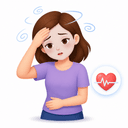
Low blood pressure/loʊ blʌd ˈpreʃər/n. phr
A condition in which the pressure of the blood flowing through your body is lower than normal, which can cause dizziness.
Low blood pressure can make you feel dizzy when you stand up too quickly.

Pus/pʌs/n
A thick, yellowish-white liquid that is produced in infected tissue.
The doctor cleaned the pus from the wound to help it heal.
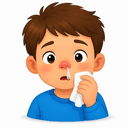
Runny nose/rʌniɳ nəʊz/n. phr
A condition in which liquid mucus flows or drips from the nose, typically caused by a cold, flu, or allergies.
He stayed home from school because he had a fever and a runny nose.
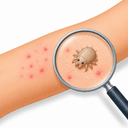
Scabies/ˈskeɪbiːz/n
A contagious skin disease caused by tiny mites that burrow into the skin, causing severe itching.
The doctor prescribed a special cream to treat the outbreak of scabies at the school.
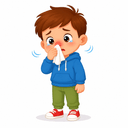
Sniffle/ˈsnɪfəl/v
To breathe in through the nose repeatedly and audibly, usually because you have a cold or are crying.
I always sniffle when I have a cold.

Sore eyes/’so:r ais/n. phr
A condition in which your eyes are red, painful, or irritated, often caused by infection, strain, or dryness.
Sore eyes are often caused by staring at computer screens for too long.

Sore throat/sɔːʳ θrəʊt/n. phr
A condition in which your throat feels painful and raw, especially when you swallow, often caused by a cold or virus.
Sore throat is a common symptom of a cold, making it painful to swallow.
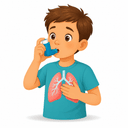
asthma/ˈæzmə/
A chronic medical condition of the chest that makes breathing difficult, often triggered by allergies, exercise, or cold air.
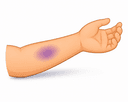
bruise/bruːz/
n. contusion, injury; v. injure, hurt

burn/bɜːrn/
v. to ignite, to set on fire, to ache, to sting; n. a scald, a blister

cancer/ˈkænsər/
A serious disease caused by an uncontrolled division of abnormal cells in a part of the body.

chill/tʃɪl/
v. cool, freeze, relax, unwind; n. cold, draft, calm, ease; adj. laid-back, easy

cough/kɔːf/
v. to expel air, to clear the throat; n. a sharp sound, a throat clearing

depression/dɪˈpreʃn/
n. sadness, despair, mental illness, psychological condition, recession, economic downturn
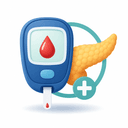
diabetes/ˌdaɪəˈbitiz/
n. an illness in which the body cannot control the amount of sugar in the blood.
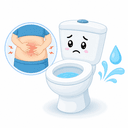
diarrhea/ˌdaɪəˈriə/
An illness in which waste matter is emptied from the bowels much more frequently and in a liquid form than usual.
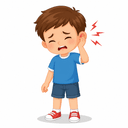
earache/ˈɪreɪk/
A pain or ache localized inside the ear, often caused by an infection or pressure.

fever/ˈfiːvər/
n. high temperature, pyrexia; n. excitement, passion

graze/ɡreɪz/
n. a small injury where the skin has been scraped; v. to scrape the skin slightly by rubbing against something rough; v. (of animals) to eat grass in a field.

headache/ˈhedeɪk/
n. head pain, cephalalgia
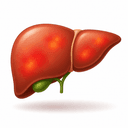
hepatitis/ˌhepəˈtaɪtɪs/
An inflammation of the liver, typically caused by a viral infection but also sometimes by toxic substances.

hurt/ˈhɝts/
v. injure, damage; n. pain, injury

infected/ɪnˈfɛktɪd/
Containing or contaminated with harmful bacteria, viruses, or other disease-causing microorganisms.
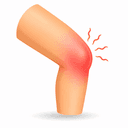
inflamed/ɪnˈfleɪmd/adj
Red, swollen, hot, and often painful, especially because of an injury or infection.
influenza/ˌɪnfluˈɛnzə/
Influenza is a common viral infection that attacks your respiratory system, causing fever, body aches, and fatigue.

insomnia/ɪnˈsɑːmniə/
The condition of being unable to sleep, especially over a period of time.
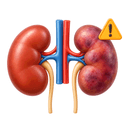
kidney disease
A kidney disease is a medical condition that affects how well the kidneys work.
Regular checkups can help detect kidney disease early.

lump/lʌmp/
n. mass, clump, swelling, bump; v. combine, gather, heave, lift
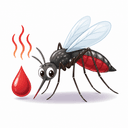
malaria/məˈleriə/
A serious disease caused by a parasite that is transmitted to humans through the bite of infected mosquitoes.

measles/ˈmizəlz/
An infectious viral disease causing fever and a red rash on the skin, typically occurring in childhood.

migraine/ˈmaɪɡreɪn/
A very severe headache that can cause painful throbbing, sensitivity to light, and nausea.

mumps/mʌmps/
n. an infectious illness, common in children, that makes the glands in the neck swell painfully.
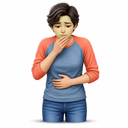
nausea/ˈnɔːziə/
A feeling of sickness in the stomach that makes you feel like you are going to vomit.

paralyse/ˈpærəlaɪz/
v. to make a person unable to move part or all of their body.
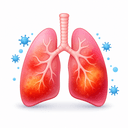
pneumonia/nuːˈmoʊniə/
A serious infection of the lungs that makes breathing difficult and causes a cough and fever.

rash/ræʃ/
adj. impulsive, reckless; n. skin eruption, dermatitis
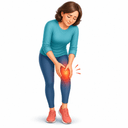
rheumatism/ˈruːmətɪzəm/n
A medical condition characterized by inflammation, stiffness, and pain in the joints, muscles, or fibrous tissue.
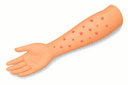
smallpox/ˈsmɔːlpɑːks/
A highly contagious and often fatal viral disease characterized by fever and a progressive eruptive skin rash, declared eradicated globally in 1980.

sneeze/sniːz/
v. to blow air suddenly and noisily out of the nose and mouth, for example when you have a cold; n. such an act.
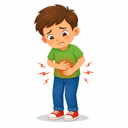
stomachache/ˈstʌməkˌeɪk/
A pain in a person's stomach or belly area.
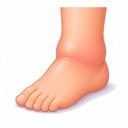
swollen/ˈswoʊlən/
Larger than normal, especially because of fluid retention, injury, or illness.
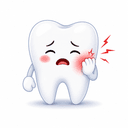
toothache/ˈtuːθeɪk/
A pain in one or more of your teeth.