
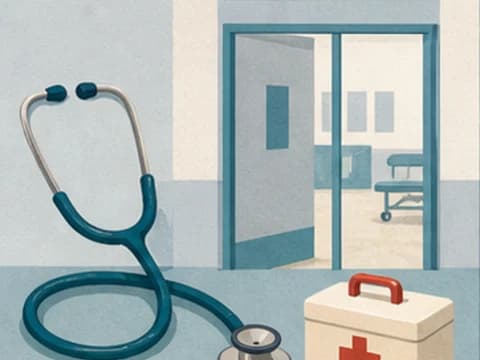
Hospital
Hospital has 67 English words, such as Call button, Common cold, Emergency room, and Hospital bed. Learn them with pictures, IPA, meanings and example sentences.
What you'll gain
All 67 words in Hospital
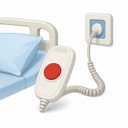
Call button/kɔːl ˈbʌt.ən/n. phr
A button used by a patient in a hospital to call for a nurse or other medical staff.
The patient pressed the call button to ask the nurse for some water.
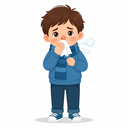
Common cold/ˌkɒm.ən ˈkəʊld//n. phr
A common infection of the nose and throat that causes a cough, sore throat, and runny nose.
Drinking warm liquids can help soothe the symptoms of the Common cold.
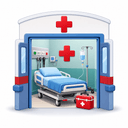
Emergency room/ɪˈmɜː.dʒən.si ˌruːm/n. phr
A room in a hospital where people who are suddenly very ill or injured are given quick medical treatment
The injured driver was rushed to the Emergency room for immediate treatment.
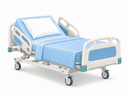
Hospital bed/ˈhɒs.pɪ.təl bed/n. phr
A special bed designed for hospitalized patients or others in need of medical care, often adjustable for comfort and treatment.
A hospital bed was set up in the living room to help him recover at home.
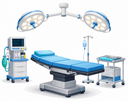
Operating room/ˈɒp.ər.eɪ.tɪŋ ˌruːm/n. phr
A specialized room in a hospital equipped for performing surgical operations.
The surgeon walked into the Operating room to begin the surgery.

Waiting room/ˈweɪ.tɪŋ ˌruːm/n. phr
a room in a place like a hospital, station, or office where people can sit and wait
The waiting room at the hospital was very crowded.
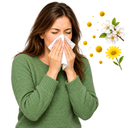
allergy
A medical condition in which the body's immune system reacts badly to a substance that is usually harmless.
She has an allergy to peanuts, so she always checks food labels.

antibiotic/ˌæntaɪbaɪˈɑtɪk/
An antibiotic is a type of medicine used to kill bacteria and cure infections.

calcium/ˈkælsiəm/
n. a mineral found in milk and cheese that the body needs to build strong bones and teeth.

cancer/ˈkænsər/
A serious disease caused by an uncontrolled division of abnormal cells in a part of the body.

canteen/kænˈtiːn/n
A canteen is a place in a school, factory, or office where people can buy and eat meals.
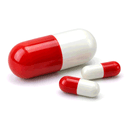
capsule/ˈkæps(ə)l/
n. a small container of medicine, made of a covering that dissolves after you swallow it.

children's hospital
A hospital that provides medical care specifically for children.
She took her son to the children's hospital for treatment.
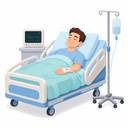
coma/ˈkoʊmə/
A state of deep and prolonged unconsciousness, usually caused by severe injury or illness.

condition/kənˈdɪʃn/
n. the state that someone or something is in, especially a person's state of health; n. an illness that lasts a long time.

cough/kɔːf/
v. to expel air, to clear the throat; n. a sharp sound, a throat clearing
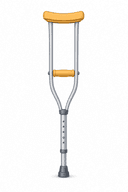
crutch/krʌtʃ/
A wooden or metal support that fits under the arm or around the wrist to help a person walk when they have an injured foot or leg, or metaphorically, anything that provides temporary, sometimes unhealthy support.

dermatology hospital
a hospital that specializes in diagnosing and treating diseases and conditions of the skin, hair, and nails
She was referred to a dermatology hospital for treatment of her severe eczema.

deteriorate/dɪˈtɪriəreɪt/
verb. to become progressively worse, to decline in quality or condition, to weaken or damage over time
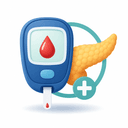
diabetes/ˌdaɪəˈbitiz/
n. an illness in which the body cannot control the amount of sugar in the blood.
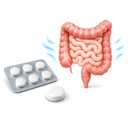
diarrhoea tablet
A tablet taken to relieve or stop diarrhoea.
I took a diarrhoea tablet and drank plenty of water.

doctor/ˈdɑːktər/
n. physician, medical practitioner, PhD holder, academic; v. to treat, to heal, to falsify, to manipulate

emergency/ɪˈmɜːrdʒənsi/n
n. crisis, urgent situation

eye drop
A small amount of liquid medicine put into the eye to treat or relieve a problem.
The doctor told me to use one eye drop in each eye twice a day.

fever/ˈfiːvər/
n. high temperature, pyrexia; n. excitement, passion
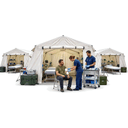
field hospital
a temporary medical facility set up near a battlefield or disaster area to treat injured or ill people
After the earthquake, doctors opened a field hospital near the damaged town.

flu/flˈuː/n
The flu is a common infectious illness that causes fever, body aches, and coughing.
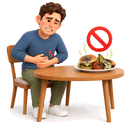
food poisoning
An illness caused by eating food contaminated with harmful bacteria, viruses, toxins, or other substances.
I got food poisoning after eating chicken that had been left out overnight.
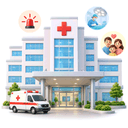
general hospital
A hospital that treats many different illnesses and provides a wide range of medical services rather than specializing in one area.
After the accident, she was taken to the nearest general hospital for treatment.
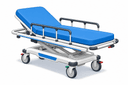
gurney/ˈɡɜːrni/n
A wheeled stretcher used in hospitals and ambulances for transporting patients who are sick or injured.
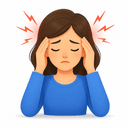
headache/ˈhedeɪk/
n. head pain, cephalalgia

hospital/ˈhɑːspɪtl/
n. healthcare facility, medical center
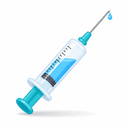
injection/ɪnˈdʒekʃn/
An act of putting a liquid, especially a drug, into a person's body using a needle and a syringe.
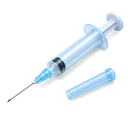
injection needle
A thin, hollow needle used to inject medicine or another substance into the body.
The nurse replaced the injection needle before giving the medicine.
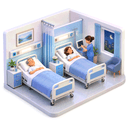
inpatient department
A hospital unit where patients stay overnight or longer for treatment and care.
After surgery, she was transferred to the inpatient department for overnight care.
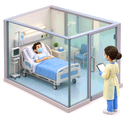
isolation room
A room in a hospital or other facility where a person with a contagious illness is kept apart from others to prevent infection from spreading.
The patient was moved to an isolation room to prevent the infection from spreading.
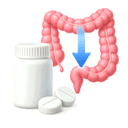
laxative/ˈlæksətɪv/
A laxative is a substance or medicine that helps people empty their bowels when they are constipated.
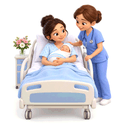
maternity/məˈtɜɹnəti/
n. the time around the birth of a baby, and the care a mother is given then, as in maternity ward and maternity leave.

measles/ˈmizəlz/
An infectious viral disease causing fever and a red rash on the skin, typically occurring in childhood.

medical staff
the doctors, nurses, and other healthcare workers who care for patients in a hospital or other medical setting
The medical staff checked the patient carefully before the operation.

mental hospital
A hospital where people with serious mental health conditions receive treatment and care.
After a careful assessment, she spent two weeks in a mental hospital receiving treatment.
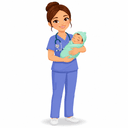
midwife/ˈmɪdwaɪf/
A trained health professional who helps women during pregnancy, labor, and after the birth of their baby.
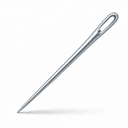
needle/ˈniːdl/
n. sewing tool, stitching instrument, injection tool, syringe component

nurse/nɜːrs/
A person trained to care for sick or injured people, especially in a hospital, or to look after someone carefully.

nursing home/ˈnɜːsɪŋ həʊm/n phrase
A place where old or sick people live and receive medical care and daily support.
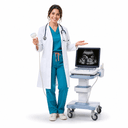
obstetrician/ˌɑːbstəˈtrɪʃn/
A doctor who specializes in pregnancy, childbirth, and postpartum care.

ointment/ˈɔɪn(t)m(ə)nt/
n. salve, cream

orthopedic hospital
A hospital that specializes in diagnosing, treating, and rehabilitating conditions and injuries of the bones, joints, muscles, and other parts of the musculoskeletal system.
She was referred to an orthopedic hospital for treatment of her broken hip.
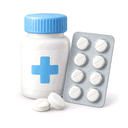
painkiller/ˈpeɪnkɪlər/n
A painkiller is a type of medicine that reduces or removes physical pain.
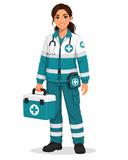
paramedic/ˌpærəˈmedɪk/
n. emergency medical technician, first responder

patient/ˈpeɪʃnt/
adj. tolerant, uncomplaining; n. client, sick person

pharmacy/ˈfɑːrməsi/
A shop or a department in a hospital where medicines are prepared, mixed, and sold.
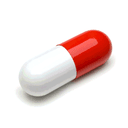
pill/pɪl/n
n. a small round piece of solid medicine that you swallow whole.
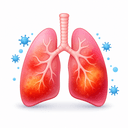
pneumonia/nuːˈmoʊniə/
A serious infection of the lungs that makes breathing difficult and causes a cough and fever.
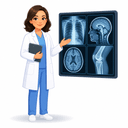
radiologist/ˌreɪdiˈɑːlədʒɪst/
n. medical imaging specialist, diagnostic radiologist

recovery/rɪˈkʌvəri/
n. retrieval, restoration, improvement

sickroom
a room set aside for a sick person, especially in a home
The nurse opened the window in the sickroom.
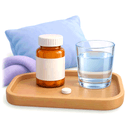
sleeping tablet
a pill or tablet taken to help someone fall asleep or stay asleep
The doctor prescribed a sleeping tablet for her severe insomnia.
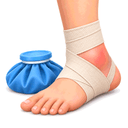
sprain
An injury in which a ligament around a joint is stretched or torn.
She got a sprain in her ankle while playing basketball.
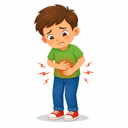
stomachache/ˈstʌməkˌeɪk/
A pain in a person's stomach or belly area.
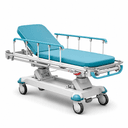
stretcher/ˈstretʃər/
A framework of two poles with a long piece of canvas or plastic between them, used for carrying a sick, injured, or dead person.

stroke/stroʊk/n
n. mark, line, hit, blow, cerebrovascular accident, brain attack; v. caress, touch, tap, pat
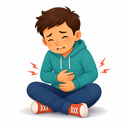
suffer/ˈsʌfər/
v. experience pain, endure hardship, undergo change, face adversity

surgeon/ˈsɜːrdʒən/
n. a doctor who is trained to perform operations on patients.
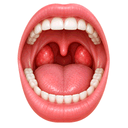
tonsillitis
Inflammation of the tonsils, usually caused by an infection.
The doctor said I have tonsillitis, so I need to rest and drink plenty of fluids.
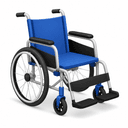
wheelchair/ˈwiːltʃer/
n. a chair with large wheels, used by someone who cannot walk.
x-ray department
the part of a hospital where X-ray images are made and examined
Please take these forms to the x-ray department before your appointment.