
Numbers
Numbers has 104 English words, such as Cardinal number, Ordinal number, a fifth, and a half. Learn them with pictures, IPA, meanings and example sentences.
What you'll gain
All 104 words in Numbers

Cardinal number/ˈkɑr·dən·əl ˈnʌm·bər/n. phr
A number that says how many of something there are, such as one, two, or three, rather than their order.
A cardinal number is used to show quantity, such as saying there are five people in the room.

Ordinal number/ˈɔr·dən·əl ˈnʌm·bər/n. phr
A number that shows the position or order of something in a list, such as first, second, or third.
The word 'first' is an Ordinal number.
a fifth
One of five equal parts of something; one-fifth of it.
A fifth of the students arrived late.
a half
One of two equal parts of a whole.
She ate a half and saved the other half of the sandwich.
a hundredth
One of 100 equal parts of something; a fraction equal to 1/100.
The fee is a hundredth of the total cost.
a quarter
One of four equal parts of something.
A quarter of the cake is left.
a seventh
A seventh is one of seven equal parts of a whole.
She ate a seventh of the cake.
a sixth
One of six equal parts of something; the fraction 1/6.
In the old manuscript, the clerk wrote "a sixt" for one-sixth of the total.
a tenth
One of ten equal parts of a whole; 10%.
The class donated a tenth of its earnings to charity.
a third
One of three equal parts of a whole, or the amount represented by one of those parts.
A third of the students chose the science club.
a thousandth
One of one thousand equal parts of something.
The measurement was accurate to a thousandth of a millimeter.
a twentieth
One of twenty equal parts of a whole; it is equal to 5%.
She owns a twentieth of the company.
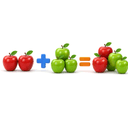
addition/əˈdɪʃn/n
n. adding, inclusion, sum, total
an eighth
One of eight equal parts of something; 1/8.
She ate an eighth of the cake.
arithmetic/əˈrɪθmətɪk/
adj. mathematical, numerical; n. mathematics, math

around/əˈraʊnd/
prep. about, round; adv. about, near

billion/ˈbɪljən/
n. one thousand million, 10^9
cubed
"Cubed" means multiplied by itself three times, or raised to the third power.
Five cubed is 125.
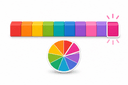
decimal/ˈdesɪml/
adj. decimal system, base ten, decimal notation, decimal form; n. decimal fraction, decimal number, decimal value, decimal digit

divide/dɪˈvaɪd/
v. separate, split, distribute, share; n. difference, gap
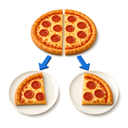
division/dɪˈvɪʒn̩/n
n. separation, partition, mathematical operation, calculation

dozen/ˈdʌzn/
n. twelve, group of twelve
dozens of
A large number of people or things, usually several dozen.
Dozens of volunteers helped clean the park.
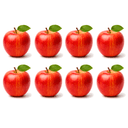
eight/eʈ/number
n. eight; adj. eight
eighteen/ˌeɪˈtiːn/number
The cardinal number that is equal to 17 plus 1.
eighteenth/ˌeɪˈtiːnθ/
Coming next after the seventeenth in position, order, or time.

eighth/eɪtθ/
adj. eighth; n. eighth
eightieth/ˈeɪtiəθ/
The number eighty in ordinal order, coming after seventy-ninth and before eighty-first.
eighty/ˈeɪti/number
The number equal to the product of eight and ten.
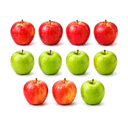
eleven/ɪˈlevn/number
n. eleven
eleventh/ɪˈlɛvənθ/
Eleventh means coming next after the tenth in order or position.
equal
The same in amount, value, size, or level as something else.
The two teams were equal in strength.
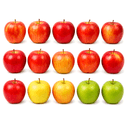
fifteen/fɪfˈtiːn/number
n. fifteen, 15
fifteenth/ˌfɪfˈtiːnθ/
Fifteenth is the ordinal number that is next after fourteenth and before sixteenth.
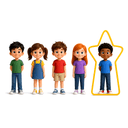
fifth/fɪfθ/number
adj. fifth, 5th; n. fifth, one-fifth
fiftieth/ˈfɪftiəθ/
The number 50 in a numbered series.
fifty
the number that is one more than forty and one less than fifty-one
She saved fifty dollars for the trip.

first/fɜːrst/number
adj. primary, initial; n. leader, foremost; adv. initially, primarily
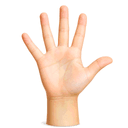
five/ˈfaɪ̯v/number
n. five, the numeral 5; adj. fivefold, quintuple
five sixths
A fraction that represents five of six equal parts of a whole (5/6).
The recipe calls for five sixths of a cup of milk.
fortieth/ˈfɔɹtiəθ/
The number 40 in a numbered series.
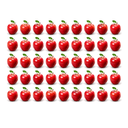
forty/ˈfoɹti/number
n. forty
forty-seven/ˈfɔːɹti ˈsɛvən/
The cardinal number that is equal to forty plus seven; the number 47.
She lived in that house for forty-seven years before moving to the city.
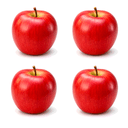
four/fɔːr/number
n. four; adj. four
fourteen/fɔrˈtiːn/number
Fourteen is the cardinal number that is equal to the sum of ten and four.
fourteenth/ˌfɔɹˈtiːnθ/
Fourteenth describes something that is number fourteen in a sequential order.
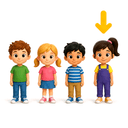
fourth/ˈfɔɹs/number
adj. fourth; n. fourth
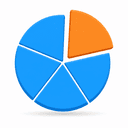
fraction/ˈfrækʃn/
n. part, portion, segment, piece
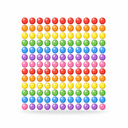
hundred/ˈhʌndrəd/
n. one hundred, 100
hundreds of
Used before a plural noun to mean a large, unspecified number, usually more than two hundred.
The square filled with hundreds of people who came to watch the parade.

million/ˈmɪljən/
n. million, one million

millions of
Used to talk about a very large, unspecified number of people or things.
minus
Used to show that one number is subtracted from another.
Ten minus three is seven.
multiplication/ˌmʌltɪplɪˈkeɪʃən/
Multiplication is the mathematical process of adding a number to itself a certain number of times.
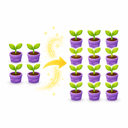
multiply/ˈmʌltɪplaɪz/
To increase in number, or to add a number to itself a specific number of times.
nine/naɪn/number
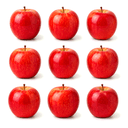
n. nine, the numeral 9
nineteen/naɪnˈtiːn/number
Nineteen is the cardinal number that is equal to twenty minus one.
nineteenth/ˌnaɪnˈtiːnθ/
The nineteenth item in a series is the one that comes after the eighteenth and before the twentieth.
ninetieth/ˈnaɪntiəθ/
The ninetieth item in a series is number ninety, coming after eighty-ninth and before ninety-first.
ninety/ˈnaɪnti/number
The cardinal number that is equal to the product of nine and ten.
ninth/naɪnθ/
adj. ninth; n. ninth

one/wʌn/number
The number 1; a single person or thing.
one hundred
The number 100, equal to ten times ten.
The library has one hundred books.

percentage/pərˈsentɪdʒ/
n. fraction, ratio
plus/plʌs/
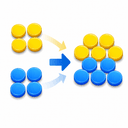
conj. used to indicate addition, used to introduce an additional point or idea; prep. indicating an increase or addition to something; n. a positive quantity or value, a sign used to indicate addition; adj. indicating a positive value or condition
second/ˈsekənd/
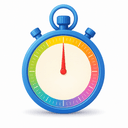
n. a very short unit of time; there are sixty seconds in a minute; adj. coming after the first.

seven/ˈsɛvən/number
Seven is the cardinal number that is equal to the sum of six and one.
seven tenths
A quantity that is equal to seven out of ten equal parts, or 0.7.
The recipe uses seven tenths of a cup of sugar.
seventeen/ˌsɛvənˈtiːn/number
Seventeen is the cardinal number that is the sum of ten and seven.
seventeenth/ˌsɛvənˈtiːnθ/
Seventeenth is the ordinal number that is next after sixteenth and before eighteenth.
seventh/ˈsevnθ/
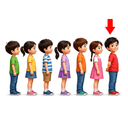
adj. seventh; n. seventh
seventieth/ˈsɛvntiəθ/
The seventieth item in a series is the one that comes after sixty-nine others.
seventy/ˈsevnti/number
The cardinal number that is equal to the product of seven and ten.
six
The number that comes after five and before seven.
She bought six apples for the picnic.
sixteen/sɪkˈstiːn/number
Sixteen is the cardinal number that is equal to fifteen plus one.
sixteenth/ˌsɪksˈtiːnθ/
The sixteenth number or item in a sequence is the one that comes after the fifteenth.
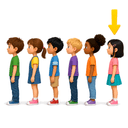
sixth/sɪksθ/
adj. sixth; n. sixth
sixtieth/ˈsɪkstiəθ/
The number 60 in a series of numbers.
sixty/ˈsɪksti/number
Sixty is the cardinal number that is equal to the sum of fifty and ten.
squared
adj. having the shape of a square, as in a squared jaw; adj. (of a number) multiplied by itself.
Five squared equals twenty-five.
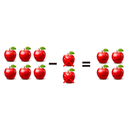
subtraction/səbˈtɹækʃən/
n. deduction, removal
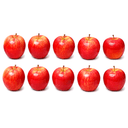
ten/ten/number
n. ten, ten
tens of
Used before a plural noun to mean an imprecisely stated number of people or things, usually between twenty and ninety-nine.
The meeting was attended by tens of residents.
tenth/tɪnθ/
The number ten in a series of numbers, or one of ten equal parts.
third/θɚd/number
adj. coming after the second in order; n. one of three equal parts of something.
thirteen/θɝˈtiːn/number
Thirteen is the cardinal number that is equal to twelve plus one.
thirteenth/ˌθɝˈtiːnθ/
Thirteenth is the ordinal number that is next after twelfth and before fourteenth.
thirtieth/ˈθɝtiəθ/
The thirtieth item in a numbered series is the one that comes after the twenty-ninth.
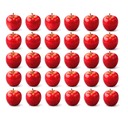
thirty/ˈθɜːrti/number
adj. being three times ten (30); n. the number 30.

thousand/ˈθaʊznd/
n. thousand
thousands of
A large, unspecified number of people or things, usually more than two thousand.
Thousands of people gathered in the park for the concert.

three/ˈθɹiz/number
n. three; adj. three
three-quarters/θɹiˈk(w)ɔɹtɚz/
Three-quarters is equal to seventy-five percent or three out of four equal parts of a whole.

times/tɑemz/
n. used between numbers to mean multiplied by, as in three times four is twelve; n. occasions.

total/ˈtoʊtl/
adj. complete, entire, whole amount, overall; n. sum, aggregate; v. calculate, sum up
twelfth/twɛlftθ/
The ordinal number matching the number twelve in order.
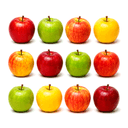
twelve/twɛv/number
n. twelve

twentieth/ˈtwɛntiəθ/
adj. twentieth; n. twentieth
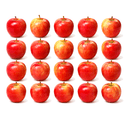
twenty/ˈtwɛni/number
adj. twenty; n. twenty
twenty first
The ordinal number that comes after twentieth and before twenty-second; 21st.
She finished in twenty first place.
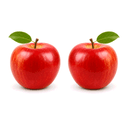
two/tuː/number
n. two; adj. two
two fifths
A quantity equal to two of five equal parts of a whole (2/5).
Two fifths of the students chose the blue folder.
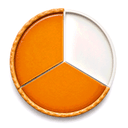
two-thirds/tuː θɜrdz/
n. two parts of three, 2/3

zero/ˈzɪroʊ/
n. zero, nothing; adj. zero, nil; v. zero out, nullify